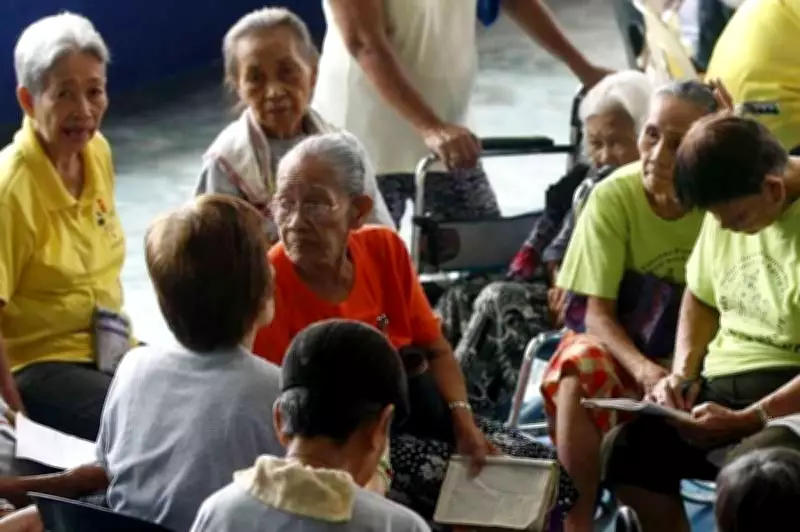
The Department of Social Welfare and Development (DSWD) is intensifying its collaboration with the National Commission of Senior Citizens (NCSC) to guarantee the prompt release of benefits for centenarians across the Philippines. This initiative aims to address delays and ensure that elderly individuals receive their entitled cash incentives and felicitation letters upon turning 100 years old, as mandated by the Centenarians Act.
Enhanced Coordination for Timely Delivery
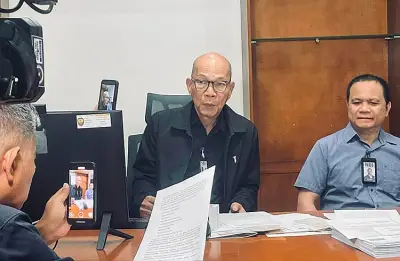
According to DSWD Spokesperson Assistant Secretary Irene Dumlao, the department has ramped up coordination efforts not only with the NCSC but also with the Office for Senior Citizens Affairs (OSCA) at local government levels. This strategic move is designed to streamline processes and eliminate bureaucratic hurdles that have previously caused delays in benefit distribution. By fostering stronger partnerships, the DSWD seeks to create a more efficient system that prioritizes the welfare of the nation's oldest citizens.
Response to Viral Aeta Case
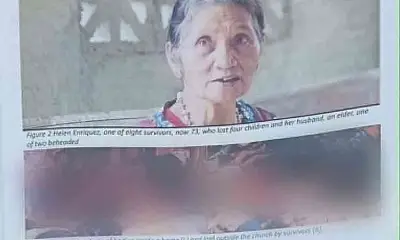
The enhanced measures come in the wake of a widely publicized incident involving four Aeta centenarians from Capas, Tarlac, who reportedly did not receive their incentives due to an overaged issue. This case gained significant attention on social media, highlighting gaps in the existing system. In response, DSWD Secretary Rex Gatchalian immediately directed the DSWD Field Office 3 to investigate and address the matter. Preliminary actions included providing each of the affected senior citizens with P10,000 in cash assistance while their full incentives from the NCSC are being processed.

Commitment to Senior Citizen Welfare
The DSWD's proactive steps underscore its commitment to upholding the rights and benefits of senior citizens under Philippine law. The Centenarians Act, which provides for cash gifts and recognition for those reaching 100 years, is a cornerstone of this effort. By strengthening inter-agency coordination, the department aims to prevent similar oversights in the future and ensure that all eligible centenarians, regardless of location or background, receive their due recognition and support in a timely manner.
This development reflects a broader push within the government to improve social welfare systems and address vulnerabilities among marginalized groups, such as indigenous communities like the Aeta. As the DSWD continues to refine its processes, it calls on local governments and partner agencies to maintain vigilance and cooperation in serving the elderly population.