Clergy Leader Highlights Edsa Revolution's Central Message: Relinquishing Power
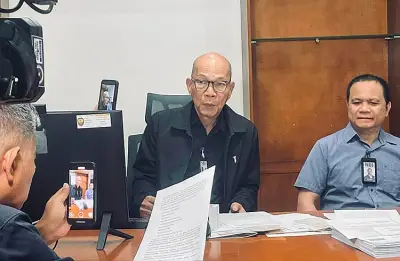
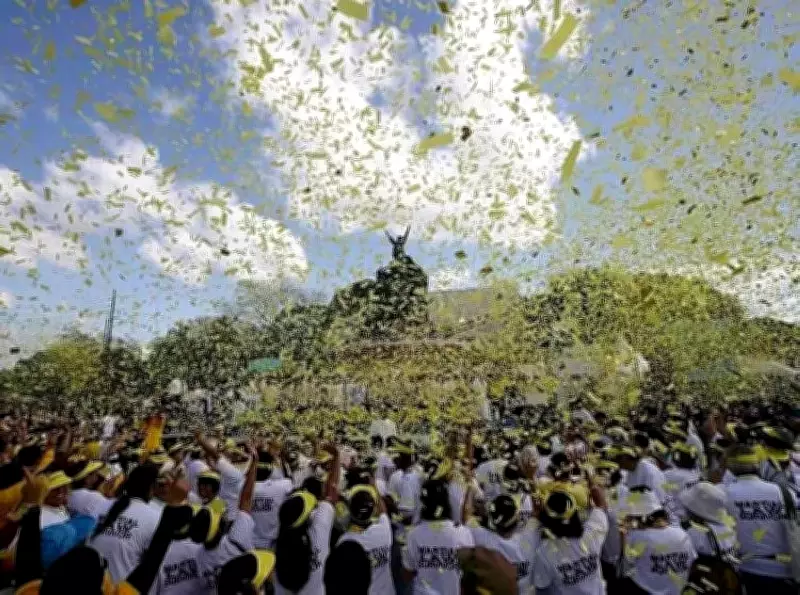
A convenor of the Clergy for Good Governance (CGG) has emphasized that the most crucial lesson from the 1986 Edsa People Power Revolution is the necessity of letting go of power. Fr. Robert Reyes made this statement during a press briefing marking the 40th anniversary of the historic event, underscoring its enduring relevance in Philippine politics.
Marcos Family as a Case Study in Power Transition
Reyes pointed to the family of President Ferdinand Marcos Jr. as a prime example, noting they learned this lesson when the revolution led to the ouster of his father, the late Ferdinand Marcos Sr. "Edsa is about letting go. If you don't give up power, something will happen. People Power happened. The Marcoses were forced to let go," he explained. He added, "We removed Ferdinand Marcos Sr. 40 years ago. This system was born after we got rid of a dictator," highlighting the transformative impact of the revolution.
Call to Action for Political Dynasties
Reyes urged other political dynasties to take a cue from the Marcoses and relinquish their hold on power and wealth. He specifically called for supporting the passage of a law banning political dynasties, stating, "If I would be asked, that is the hidden theme: people power can only happen if all you political dynasties will let go of your stranglehold on power and wealth, politics, economy, wealth, culture." He warned that multiple dynasties are now seeking to preserve the current system to prevent change, noting, "The Marcoses want to stay in power (but) at this point in our time, it is not only the Marcoses. It's all the political dynasties, who really want to preserve the system of government that we have so that there would be no changes."

Anniversary Coincides with Legislative Push
The country commemorates the 40th anniversary of the 1986 Edsa People Power Revolution on February 25. This milestone event aligns with ongoing efforts in Congress to advance an anti-political dynasty bill, reflecting continued public discourse on governance and democratic principles. Reyes's comments serve as a timely reminder of the revolution's legacy and its implications for contemporary political reforms.