
House of Representatives Dismisses Impeachment Complaints Against President Marcos Jr.
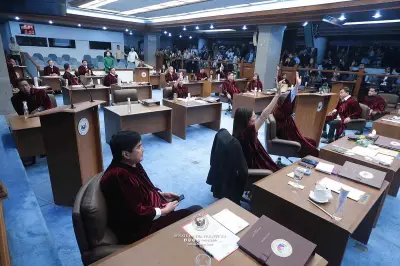
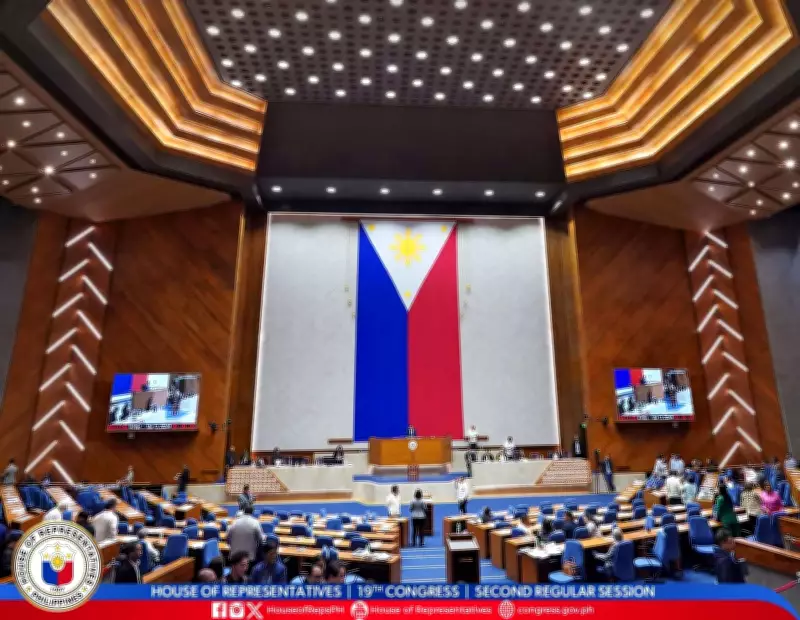
The House of Representatives has solidified its decision to dismiss two impeachment complaints targeting President Ferdinand "Bongbong" Marcos Jr., following a decisive vote that underscores the chamber's commitment to constitutional processes. In a plenary session, lawmakers approved the recommendation to discard the complaints with 284 votes in favor, 8 opposed, and 4 abstentions, effectively endorsing the findings of the House Committee on Justice.
Committee Report and Resolution Details
The plenary formally adopted Committee Report No. 111 and House Resolution No. 746, which declared that while the complaints met procedural requirements, they failed to satisfy the critical criterion of "sufficiency in substance." According to Committee Chair Rep. Jerville "Jinky Bitrics" Luistro, the allegations lacked robust evidence and relied heavily on speculation or hearsay, rendering them inadequate for impeachment proceedings.
Luistro emphasized that impeachment should not be exploited as a tool for political drama but must adhere strictly to the 1987 Constitution, Supreme Court rulings, and the rule of law. He highlighted that the decision reflects the House's dedication to upholding legal standards and prioritizing the welfare of the Filipino people.

Specific Complaints and Allegations
The committee scrutinized two primary complaints—the De Jesus complaint and the Maza et al. complaint—which raised issues related to foreign policy, drug enforcement, budget management, and corruption. After thorough review, the committee concluded that these allegations lacked a solid factual foundation, with no concrete proof to substantiate the claims against President Marcos Jr.
In its report, the House asserted that the interests of the Philippine citizens and existing laws must prevail in any impeachment process, reinforcing the principle that such serious actions require substantial and verifiable evidence.
Opposition and Dissenting Views
Despite the overwhelming majority vote, opposition voices emerged, notably from ACT Teachers Party-list Rep. Antonio Tinio, who criticized the handling of the impeachment complaints. Tinio argued that the process was rushed, denying President Marcos Jr. an opportunity to address the allegations directly and preventing a comprehensive examination of evidence by Congress.
Tinio acknowledged the challenge of overturning the committee's decision in the plenary, given the administration's majority support in the House, but vowed to continue the fight. He indicated that the Makabayan bloc remains steadfast in calling for a full plenary vote and in educating both lawmakers and the public about alleged corruption knowledge tied to flood control projects.
Broader Implications and Future Outlook
This dismissal marks a significant moment in Philippine politics, highlighting the House's role in balancing political accountability with legal rigor. Luistro reiterated that the outcome demonstrates the supremacy of the rule of law and the collective interest of the Filipino nation within the legislative body.
As the impeachment complaints are set aside, the focus shifts to ongoing governance and policy issues, with the House reaffirming its commitment to constitutional integrity and public service. The decision underscores the complexities of impeachment in a democratic framework, where evidence and substance are paramount to ensuring justice and stability.