Lapu-Lapu City Government Enacts Temporary Four-Day Workweek to Address Global Energy Crisis
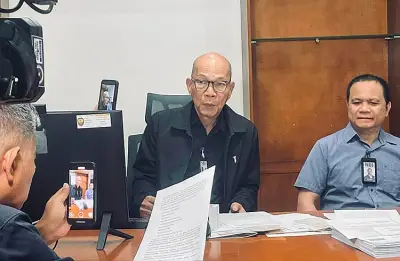
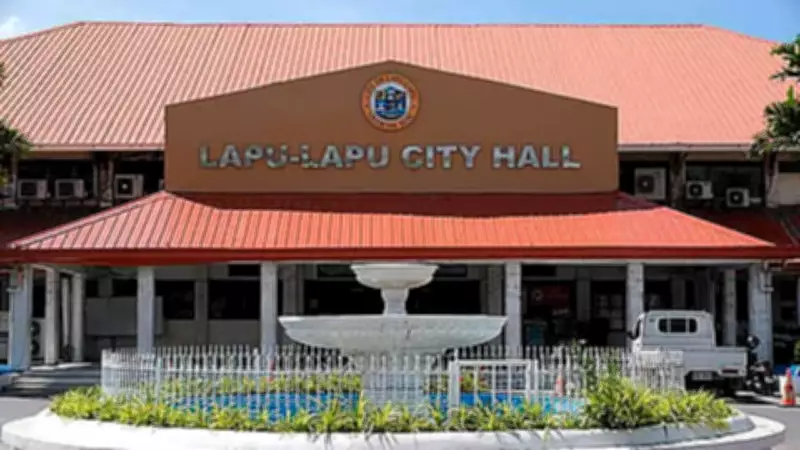
In response to the escalating global energy crisis, the Lapu-Lapu City government has officially implemented a temporary four-day workweek for selected offices. Mayor Ma. Cynthia King-Chan issued an executive order on Wednesday, April 8, 2026, establishing new working hours from 7:30 AM to 6:00 PM, Monday through Thursday.
Executive Order Details and Rationale
The executive order, which takes effect on Monday, April 13, 2026, cites the urgent need for energy-saving measures due to rising fuel prices and low national fuel reserves. The City Government recognizes the need to implement more energy-saving measures due to the escalating prices in fuel and the low fuel reserves of the country, states the order. This initiative aims to reduce daily operational expenses, including a targeted 50 percent reduction in gasoline allocations for various City Hall offices.
Scope and Exceptions of the New Schedule
The four-day workweek applies to 30 specific offices, such as the Mayor's Office, City Attorney, City Administrator, Human Resources Management and Development Office, Vice Mayor's Office, and the City Council Office. However, approximately 18 frontline offices, including those in health, traffic, and environmental management, will maintain regular hours from 8:00 AM to 5:00 PM, Monday to Friday.

Overtime work is suspended for offices under the four-day schedule, but exceptions are permitted under urgent circumstances. Overtime on Fridays, weekdays, weekends, and holidays may be allowed if approved by the Mayor and supported by a written justification from the department head detailing its necessity. Additionally, if a holiday falls on a Friday, the regular 8:00 AM to 5:00 PM schedule will be followed for that week.
Broader Context and Preparedness Measures
This move follows Mayor Chan's earlier decision to place the city under a state of preparedness, anticipating that Middle East tensions could drive up prices for essential commodities and local transportation. The energy-saving measures are part of a broader strategy to mitigate economic impacts and ensure operational efficiency during the ongoing crisis.