Osmeña's Supreme Court Appeal on Megawide JVA: A Closer Look at Political Motives and Legal Hurdles
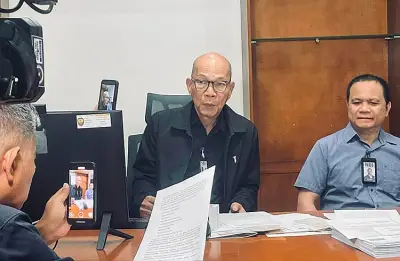
In a surprising turn of events, Vice Mayor Tommy Osmeña has initiated a move for the Supreme Court to nullify Cebu City's Joint Venture Agreement (JVA) with Megawide, concerning the Carbon Market development. Upon deeper reflection, this appeal may be more about political optics and strategic delay than a genuine legal challenge. The timing and procedural aspects raise significant questions about its true intent.
Legal and Procedural Obstacles Cast Doubt on the Appeal
Osmeña's appeal faces numerous legal-procedural barriers that undermine its credibility. Firstly, his original case was dismissed by a district court many years ago, making the current revival seem untimely. Why has he chosen to appeal only now, after such a prolonged period? Secondly, the direct appeal to the Supreme Court bypasses the standard procedure of first approaching the Court of Appeals, which is the proper legal pathway. This deviation suggests a possible stalling tactic or an attempt to create public spectacle rather than a substantive legal fight.
Political Dynamics: Mayor Archival's Flip and Council Silence
The political landscape adds another layer of complexity to this issue. Mayor Archival has notably shifted his stance, offering weak justifications such as being "mayor for all, not just for the vendors" and asserting that the JVA is "legal and not disadvantageous to the city or vendors." Despite this flip, Archival and Osmeña are reportedly on good terms, which is unusual given Osmeña's known tendency to react strongly when BOPK members deviate from the party line. This raises suspicions about a possible coordinated game between the two leaders.

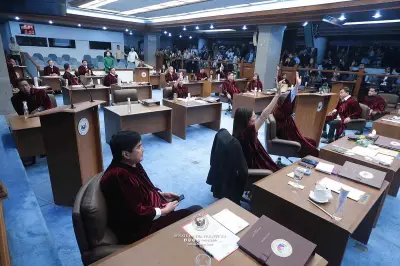
Furthermore, the City Council's unexpected silence is puzzling. With half of the council being BOPK members who typically align with Osmeña, one would expect a pro-vendor majority to at least review the JVA terms. Yet, no such action has been taken, leaving the public to wonder about the underlying political maneuvers at play.
Megawide's Aggressive Moves and the Threat to Carbon Market
Amidst this political uncertainty, Megawide's subsidiary, C2W, is accelerating the construction of Carbon's main building and has announced the start of fee collections. This aggressive push forces the implementation of a JVA that critics argue is unfair to Cebu City and disastrous for vendors and consumers. If privatized, Carbon Market would prioritize profit, likely leading to high rental and entrance fees for high-end resellers.
The consequences of this privatization could be severe:
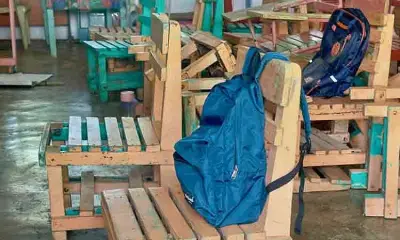
- Ambulant vendors, unable to afford the increased fees, would be displaced from their traditional selling spots.
- Without these vendors, prices of goods in Carbon Market would rise, negatively impacting the consuming public who rely on affordable commodities.
A Call to Action: Protecting Carbon Market for the People
At this critical juncture, preventing Carbon's privatization seems to hinge on public mobilization. Cebu City's ambivalence on the issue has left a void, making it imperative for the people of Cebu to step up. The Carbon Alliance must not only maintain its unity but also expand its reach by garnering support from the general public.
It is time for socially responsible citizens to oppose the city's apparent disregard for the rights of ambulant vendors and their livelihoods. While Megawide is merely acting in its business interests, Cebu City has failed in its duty to serve the public, opting for an easier path that sacrifices community welfare. Cebuanos must come together to hold public officials accountable for jeopardizing traditional livelihoods and affordable access to essential goods.