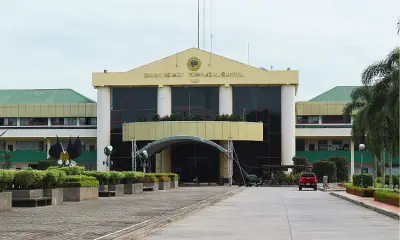
A firsthand account from within a military camp during one of the Philippines' most turbulent periods offers a stark reflection on the enduring challenges of corruption and the elusive quest for genuine national change. The witness was present when soldiers, led by then-Colonel Gregorio "Gringo" Honasan, staged a mutiny against the government in the late 1980s.
The Mutiny: Loyalty and Rebellion in the Ranks
The camp's group commander, a former Philippine Military Academy batchmate of Honasan, chose not to join the uprising. Instead, he silently tasked trusted subordinates to monitor the movements of their fellow soldiers and report the intelligence back to Camp Crame—a constitutional duty of his unit. The atmosphere was charged with divided loyalties.
Confined in a room with soldiers listening to radio coverage of the unfolding mutiny, the witness recalls a poignant irony. "I joked that there I was being detained for daring to rebel against the government, and yet the people detaining me had the mindset of rebels themselves," they shared. The sentiment highlighted a clear truth: many within the ranks were sympathetic to Honasan's cause.

A Timeless Struggle Against Iniquity and Corruption
This experience cemented a powerful observation: people, regardless of their position, are fundamentally the same. They possess an innate desire to rise against perceived iniquity and deeply resent corruption. The witness draws a direct line from the grievances of that era to the present, noting that corruption is a continuous plague, with recent scandals like the flood control fund anomalies being merely its latest manifestation.
While some voices today still encourage military unrest, the witness expresses gratitude that the armed forces' adherence to the Constitution has remained steadfast. This reality prompts deeper questions about the Philippine system of liberal democracy. Can it consistently produce leadership that is not only clean but also competent enough to drive meaningful economic development?
The Elusive Path to Bloodless, Sustainable Change
The search for answers extends beyond the Philippines. Even in nations where Marxist revolutions have triumphed, corruption persists, giving rise to discussions about "continuing revolution." For the witness, the critical question—pondered since their time in the revolutionary movement—is whether true, transformative change can be achieved without bloodshed.
Many have sacrificed their lives for revolutions that, in the Philippines, have not yet succeeded. Other countries, like China, have seen revolutionary victory but still grapple with demonstrating genuine equality. This gap between aspiration and reality breeds frustration, especially among those who hoped to see radical change within their lifetime.
The solution, according to the witness, lies in incremental, upward progress, not cyclical upheaval. Change must be a step-by-step ascent, moving from a "third level" to a "first level" without violence. The core challenge is building a lasting vehicle for this change. History offers cautionary tales: political parties founded on noble principles often degenerate into traditional, personality-driven machines—"trapo" or traditional politics—once their founders depart.
The conclusion is clear but demanding. To forge a legal, principled, and bloodless political vehicle, enough principled individuals must dedicate their lives to the task. It requires the persistent, collective effort of all good and principled people, embodying the spirit of the "Foolish Old Man Who Removed the Mountains"—a parable of unwavering determination against seemingly insurmountable odds.