
As prices continue to rise across the Philippines, the purchasing power of the national currency has significantly eroded, meaning consumers can now buy far less with the same amount of money compared to just a few years ago. This alarming trend highlights the broader economic challenges facing households and businesses alike.
Peso's Purchasing Power Drops to P0.75 in March 2026
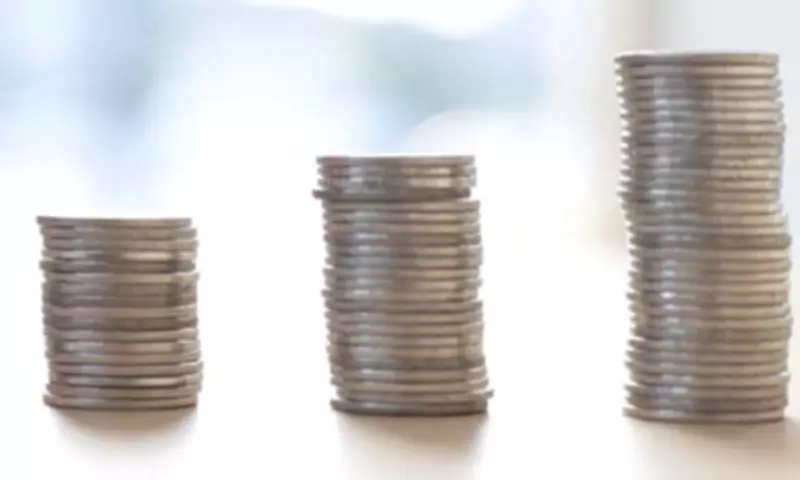
National Statistician and Civil Registrar General Undersecretary Dennis Mapa revealed on Tuesday, April 7, 2026, that the purchasing power of the Philippine peso has weakened substantially over the past eight years. Specifically, the P1 from 2018 is now equivalent to only P0.75 as of March 2026, underscoring the cumulative effects of inflation on everyday affordability.
Inflation's Inverse Relationship with Currency Value
During a press conference, Mapa explained that the purchasing power of the peso is inversely related to the inflation rate. "When inflation increases, purchasing power decreases," he stated, emphasizing how rising prices directly diminish what money can buy. He further noted that the estimated average purchasing power for March 2026 stood at P0.75, with 2018 serving as the base year for comparison.

This decline reflects the overall impact of inflation rates from 2018 through March 2026, illustrating how sustained price hikes in goods and services have chipped away at the peso's real value. Purchasing power serves as a critical measure of how many products and services can be acquired with a single peso, making this drop a key indicator of economic strain.
Practical Implications for Consumers
The reduction to P0.75 means that what cost P1 in 2018 now requires approximately P1.33 in 2026 to purchase the same items. To put this into perspective:
- A P1,000 expenditure in 2018 would now cost around P1,330 in 2026.
- This represents a significant increase in living expenses for Filipino families.
- The trend signals reduced disposable income and tighter budgets for many households.
Driving Factors Behind the Inflation Surge
Mapa attributed the latest inflation rate of 4.1 percent in March 2026 to consecutive increases in oil prices, largely fueled by ongoing conflicts in the Middle East. These geopolitical tensions have disrupted global supply chains, leading to higher costs for fuel and related commodities, which in turn push up prices across various sectors of the Philippine economy.
The persistent inflation not only affects immediate purchasing power but also poses long-term risks to economic stability, potentially hindering growth and investment if left unaddressed. As the peso continues to lose value, policymakers and consumers alike must navigate these challenging financial landscapes with caution and strategic planning.