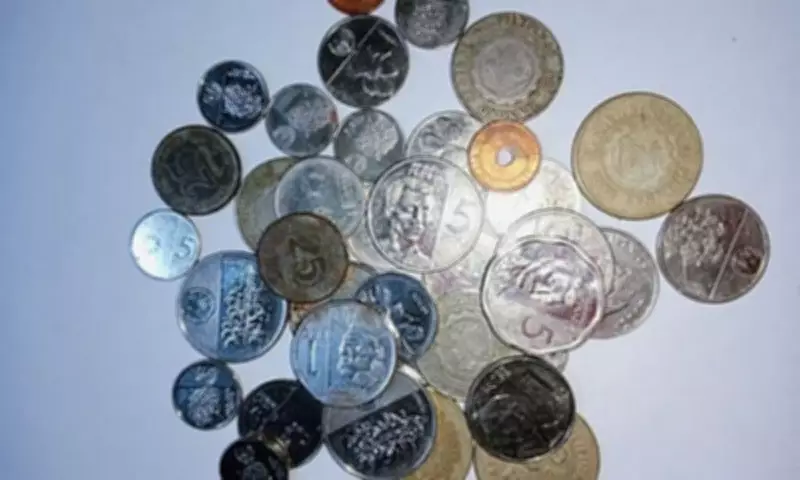
National Statistician and Civil Registrar General Undersecretary Dennis Mapa revealed on Tuesday, April 7, 2026, that the purchasing power of the Philippine peso has experienced a substantial decline over the past eight years. According to data presented in a press conference, P1 from 2018 is now equivalent to only P0.75 as of March 2026, highlighting a significant erosion in value due to persistent inflationary pressures.
Understanding the Decline in Purchasing Power
Mapa explained that the purchasing power of the peso is inversely related to the inflation rate. When inflation rises, the amount of goods and services that can be purchased with a single peso decreases. He stated, "The average estimated purchasing power of the peso this March is at P0.75, with our base year being 2018. This represents the overall effect of the inflation rate from 2018 up to the present month of March."
Practical Implications for Consumers
The decline to P0.75 means that items costing P1 in 2018 now require approximately P1.33 in 2026 to purchase the same goods or services. In broader terms, what P1,000 could buy in 2018 now costs around P1,330 in 2026. This shift underscores the tangible impact of inflation on everyday expenses, from groceries to utilities, squeezing household budgets across the nation.

Inflation Drivers and Economic Context
The country's inflation rate surged to 4.1 percent in March 2026, a spike attributed to a series of oil price increases driven by ongoing conflicts in the Middle East. This external factor has compounded domestic economic challenges, accelerating the peso's loss of purchasing power. The cumulative effect of inflation over the years has steadily diminished the currency's value, making it harder for Filipinos to maintain their standard of living without adjusting their spending habits.
Mapa's announcement serves as a critical reminder of the long-term consequences of inflationary trends. As the peso continues to weaken, policymakers and consumers alike must navigate an economic landscape where money does not stretch as far as it once did, prompting calls for strategies to mitigate inflation's impact on the broader economy.