A glimmer of hope emerged in the Middle East as the United States and Iran agreed to a bilateral ceasefire, potentially easing the severe regional crisis and offering relief from soaring oil and commodity prices. Under the oversight of Pakistan Prime Minister Shahbaz Sharif and Chief of Army Staff Asim Munir, this two-week truce was seen as a beacon of optimism amid escalating tensions.
Ceasefire Quickly Collapses Amid Devastating Attack
However, that light was swiftly extinguished. Mere hours after the declaration, Israel launched a massive bombardment of Lebanon, resulting in 254 lives lost and over a thousand injured. Israel Defense Minister Israel Katz described the assault on Hezbollah infrastructure as "the largest concentrated strike" since 2024.
Condemnation and Firm Stances
Hezbollah and Iran have loudly condemned the attack, highlighting the civilian casualties in Beirut and other areas. In contrast, Israel remains steadfast in its position. Prime Minister Benjamin Netanyahu asserted that the truce did not include Lebanon, pledging to continue crushing Hezbollah.

Negotiation Complexities and Regional Realities
This incident starkly reveals the difficulties in such negotiations. While the US and Iran discussed peace, the reality on the ground painted a different picture. Iran's parliamentary speaker even labeled the negotiations as "unreasonable" due to violations, including the Lebanon attack and drone incursions into Iranian airspace.
Heavy Demands of the Truce Plan
The proposed "10-point truce plan" carries substantial conditions:
- Lifting all sanctions on Iran
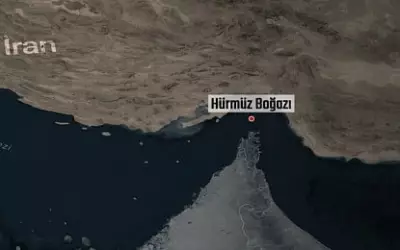
- Control over the Strait of Hormuz
- Complete withdrawal of US military from the Middle East
- Release of Iran's frozen assets
These demands are challenging for the other side to accept, especially when every action by one nation is perceived as a threat by the other.
The Value of Agreements Amid Ongoing Bloodshed
What is the worth of an agreement if blood continues to spill in neighboring regions? A ceasefire should not merely be a tactical pause for military regrouping but a genuine step toward lasting peace. If it does not encompass all involved forces, the "light" offered by the two-week ceasefire may only be a fleeting flash before a larger war explosion.