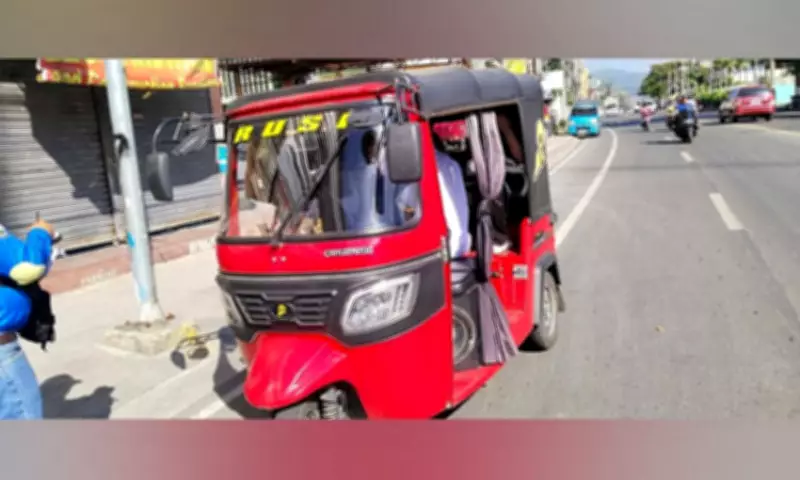
In response to the persistently high cost of fuel, officials in Mandaue City are actively considering the adoption of electric tricycles, commonly known as e-trikes, for passenger transport. This initiative aims to address the financial burden faced by both drivers and commuters due to escalating oil prices.
Driving Factors Behind the Shift
Councilor Carlo Fortuna emphasized that the city is currently studying the implementation of e-trikes, citing the heavy economic strain caused by fuel expenses. "Yes, actually, because fuel prices keep rising, and it’s very unlikely they will go down in the near future," Fortuna stated, highlighting the urgent need to explore alternative transportation options.
He explained that the continuous increase in fuel prices directly impacts fare rates and the daily operational costs for tricycle drivers. To mitigate these challenges, Mandaue City is evaluating electric-powered tricycles as a viable and efficient solution for the local transport sector.

Learning from Successful Models
Fortuna pointed to Boracay Island as a successful example, where a complete transition to electric tricycles was implemented several years ago. However, he clarified that the e-trike model planned for Mandaue differs from informal or unregulated units seen in other areas.
"So, that type of e-tricycle is what we are considering, not the ones you see in the mountains or in Carbon, not that kind," Fortuna noted. "It’s a design really intended for public transport called an 'e-trike,'" he added, ensuring that the vehicles will meet safety and regulatory standards.
Regulatory Framework and Implementation
Through a resolution, the Traffic Enforcement Agency of Mandaue (Team) and the Tricycle Franchise Board have been tasked with conducting an in-depth study to ensure the safe and effective deployment of these vehicles. Fortuna also clarified that e-trikes will be permitted to use national highways, similar to their traditional counterparts, facilitating seamless integration into the existing transport network.
This move represents a significant step towards sustainable urban mobility, potentially reducing carbon emissions and operational costs while enhancing the reliability of public transportation in Mandaue City.