Tondo's Santo Niño Church to Be Elevated to Minor Basilica Status in May 2026
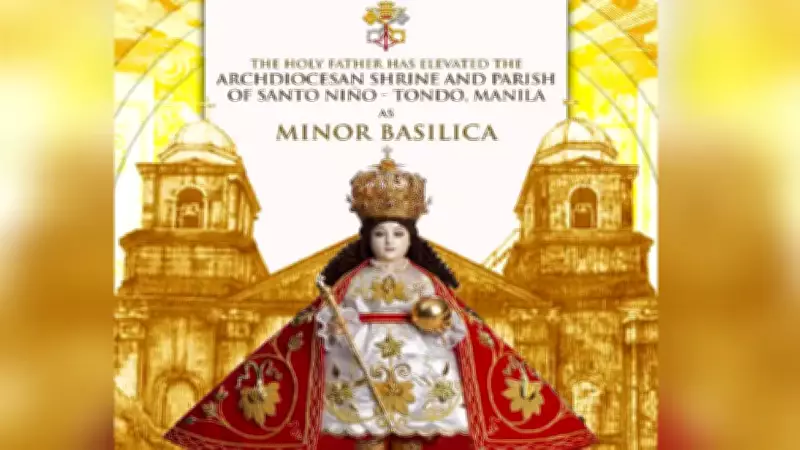
The Archdiocesan Shrine and Parish of Santo Niño in Tondo, Manila, is poised for a significant religious milestone as it is set to be officially declared a Minor Basilica in May 2026. This elevation marks a momentous occasion for the Catholic community in the Philippines, recognizing the church's historical and spiritual significance.
Ceremony Details and Key Participants
The declaration ceremony is scheduled for May 11, 2026, at 2:00 PM, and will be presided over by His Excellency Charles John Brown, the Apostolic Nuncio to the Philippines, alongside Manila Archbishop Jose Cardinal Advincula. This event underscores the church's importance within the Catholic hierarchy and its role as a center of faith in the region.
Historical Background and Papal Decree
The decree declaring the church as a Minor Basilica was issued on November 9, 2025, coinciding with the feast of the Dedication of the Lateran Basilica in Rome. This timing highlights the church's connection to broader Catholic traditions and its recognition by the Vatican.

The Archdiocesan Shrine and Parish of Santo Niño in Tondo is renowned for housing the second oldest image of Santo Niño in the Philippines, following the Santo Niño de Cebu. This historical artifact adds to the church's cultural and religious value, making it a key pilgrimage site.
Significance of the Basilica Designation
According to the Catholic Bishops' Conference of the Philippines (CBCP), the designation as a Minor Basilica is bestowed upon churches that are recognized by the Pope for their architectural beauty, historical importance, and the richness of the faith demonstrated by their congregations. This status not only honors the church's past but also reinforces its role in fostering devotion and community among Filipino Catholics.
The elevation to Minor Basilica is expected to enhance the church's prominence, attracting more visitors and reinforcing its status as a landmark of religious heritage in Manila. It serves as a testament to the enduring faith and cultural legacy of the Filipino people.