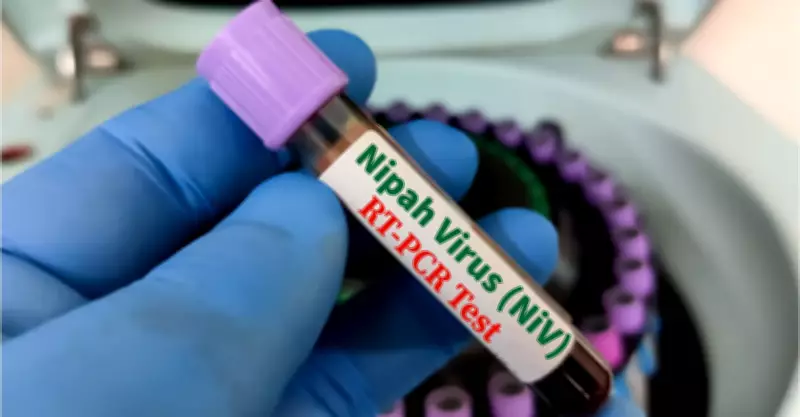
Philippines Heightens Vigilance Against Nipah Virus as Outbreaks Hit Neighboring Countries
As of January 2026, the Philippines has not detected any local cases of the Nipah virus, but health authorities are enforcing enhanced precautions to prevent its potential entry. This proactive stance comes amid reported outbreaks in countries like India and Bangladesh, raising concerns about cross-border transmission risks.
Understanding the Nipah Virus: Origins and Transmission
According to infectious disease expert Dr. Rontgene Solante, the Nipah virus typically originates from bats or fruit bats, which can spread it through contaminated food consumed by humans. Beyond animal-to-human transmission, there is documented evidence of human-to-human spread, making containment efforts critical in outbreak scenarios.
High Mortality Rates and Lack of Treatment Options
Dr. Solante explains that the virus often attacks the brain and lungs, leading to a mortality rate ranging from 40% to 75%. Currently, there is no specific drug or vaccine available for Nipah virus infection, leaving healthcare providers to rely solely on supportive care for affected patients. This underscores the urgency of preventive measures.

Historical Context and Current Preparedness
The Department of Health (DOH) recalls a 2014 incident in Sultan Kudarat, where 17 cases were linked to consuming horse meat and contact with infected individuals. Today, the DOH is prepared to conduct testing and surveillance should any suspected cases emerge, ensuring a swift response to mitigate potential outbreaks.
Public Health Advisory and Safety Measures
Health officials advise the public to exercise caution by:
- Avoiding potentially contaminated food products.
- Practicing good hygiene to reduce transmission risks.
- Staying informed about updates from health authorities.
With global health threats evolving, the Philippines remains on high alert, prioritizing public safety through vigilant monitoring and community awareness initiatives.